Chess thoughts — Think before you move!
Perhaps the best sacrifice is when you sacrifice multiple pieces in succession and force your opponent in to a checkmate.
That's exactly what Esteban Canal managed to do! He sacrificed two rooks and a queen!
The Peruvian Immortal: Esteban Canal vs NN
1. e4     d5
2. exd5   Qxd5
3. Nc3    Qa5
4. d4     c6
5. Nf3    Bg4
6. Bf4    e6
7. h3     Bxf3
8. Qxf3   Bb4
so the opening above went like this.
Here's an image of the current position:
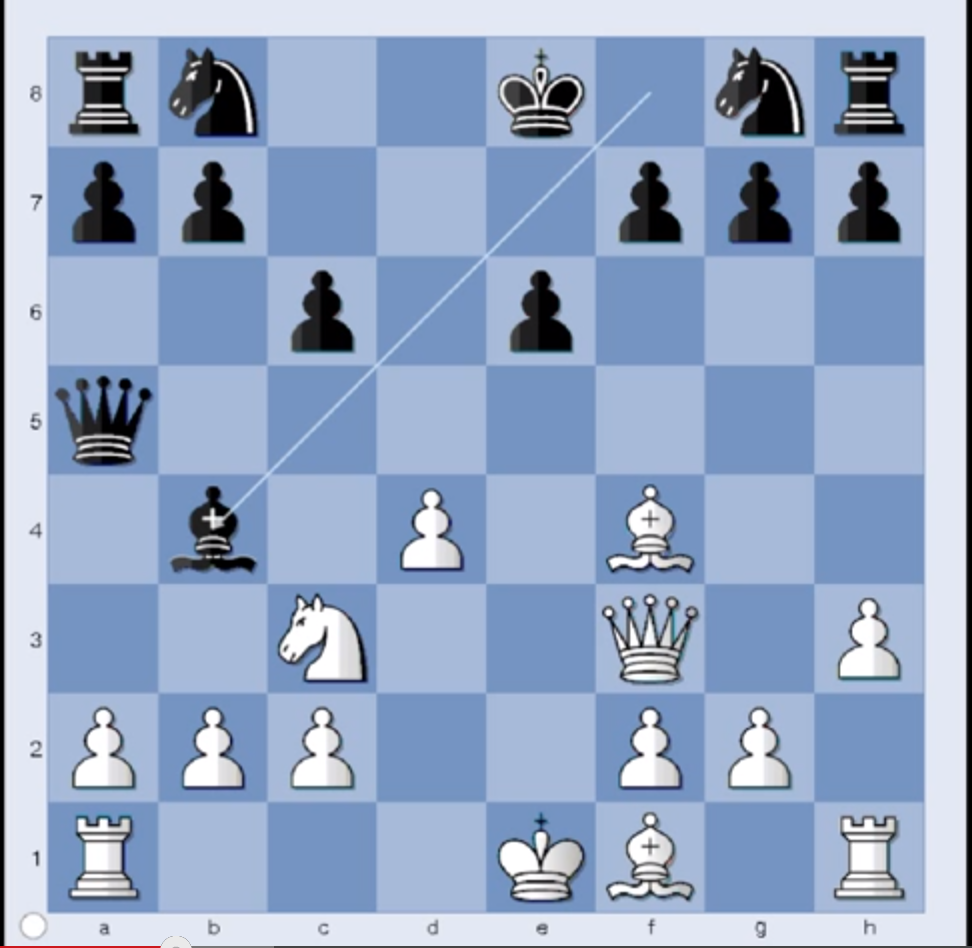
Now, any reasonable chess player would develop their light-squared bishop and castle.
Especially considering that the black bishop and queen are eyeing down the white knight on c3.
And that's what Estebaan did. He played: 9. Be2 Nd7. Leading to a position like this.
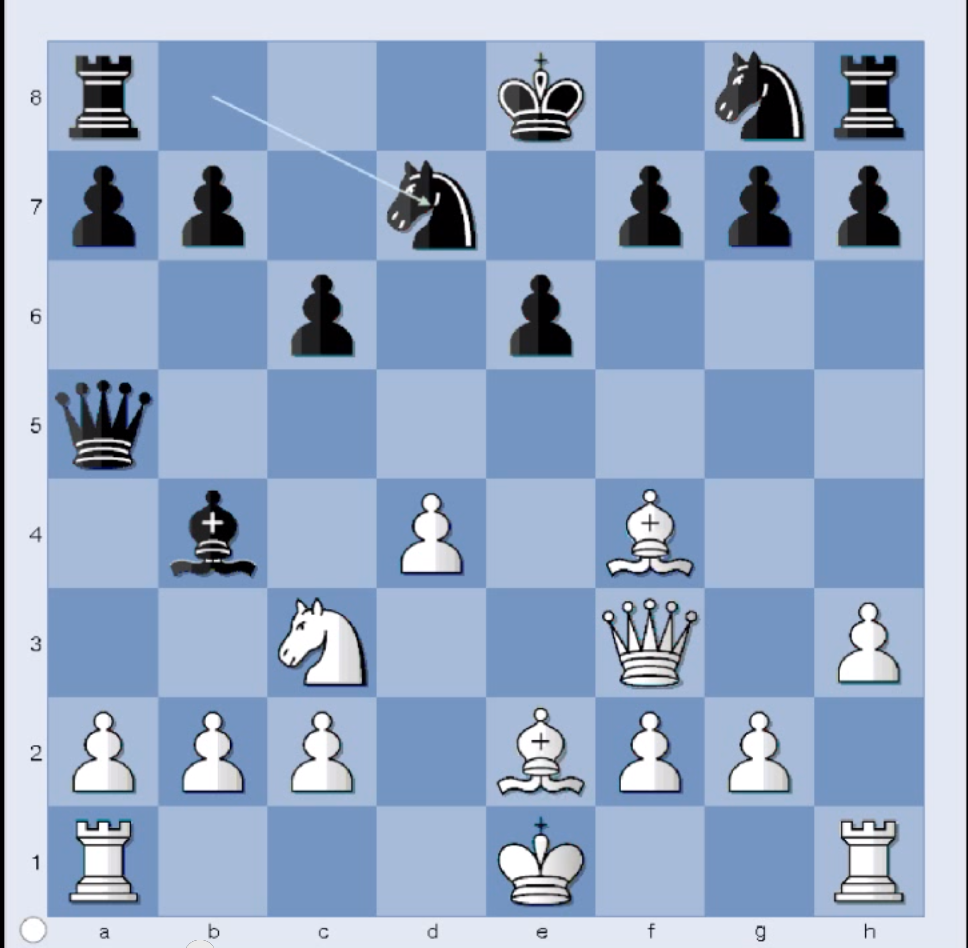
Again, it's tempting to castle. But here, Estebaan wanted to set up a trap. And hoped that NN would fall for it. and NN did fall for it!! Watch what happens next:
10. a3 0-0-0
which looks like this:
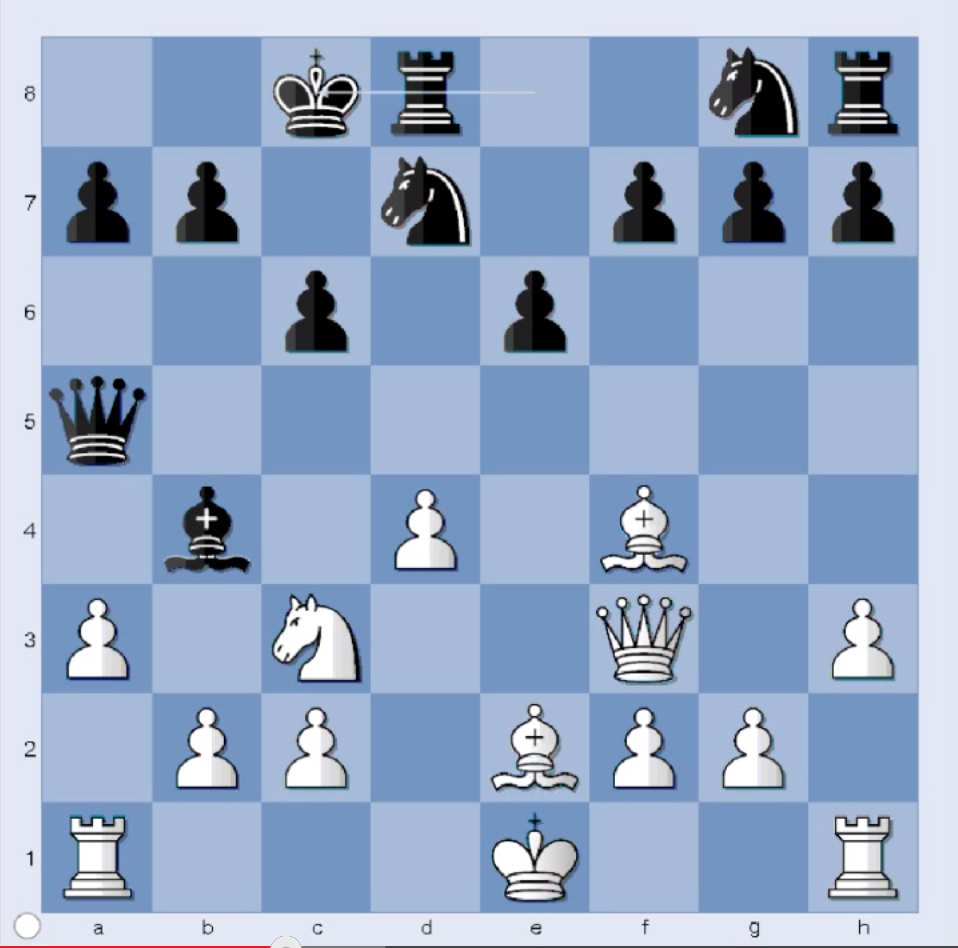
An untrained eye that is unable to see 5-6 moves ahead would not be able to see the following spectacular combination!
White played: 11. axb4!!
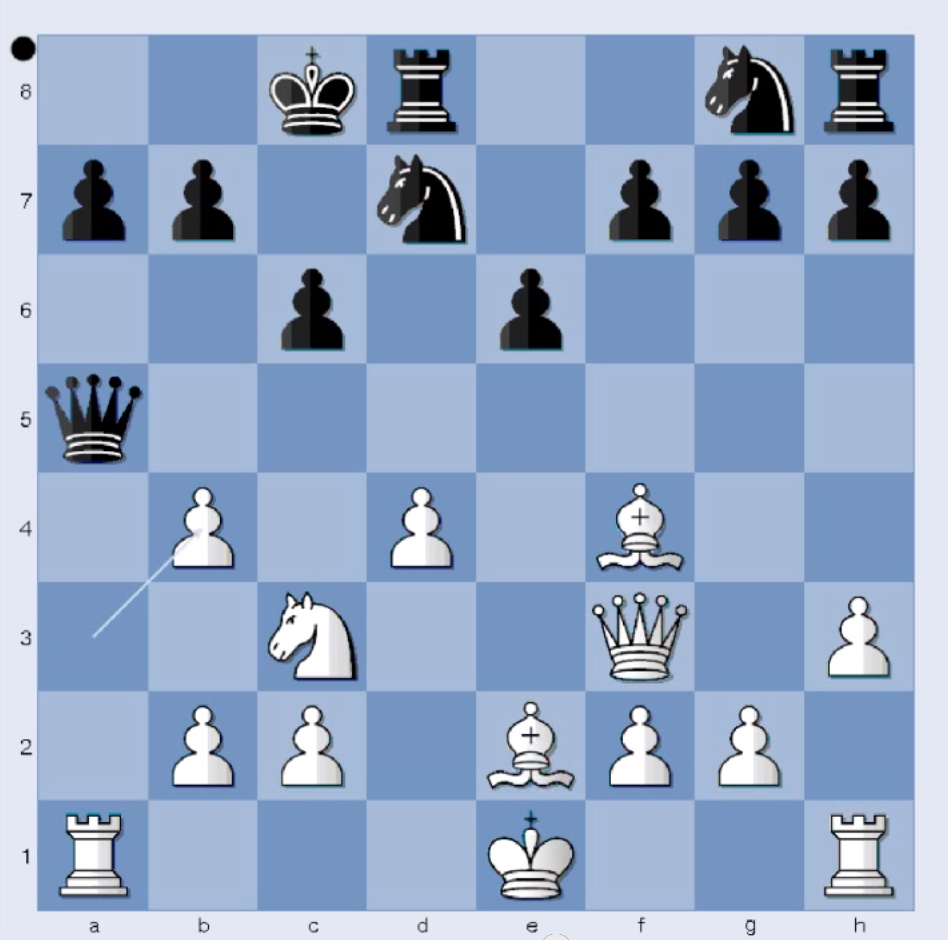
effectively allowing the black queen to gobble up both of white's rooks!! Which, black happily did.
11...Qxa1+ -- 12.Kd2 Qxh1
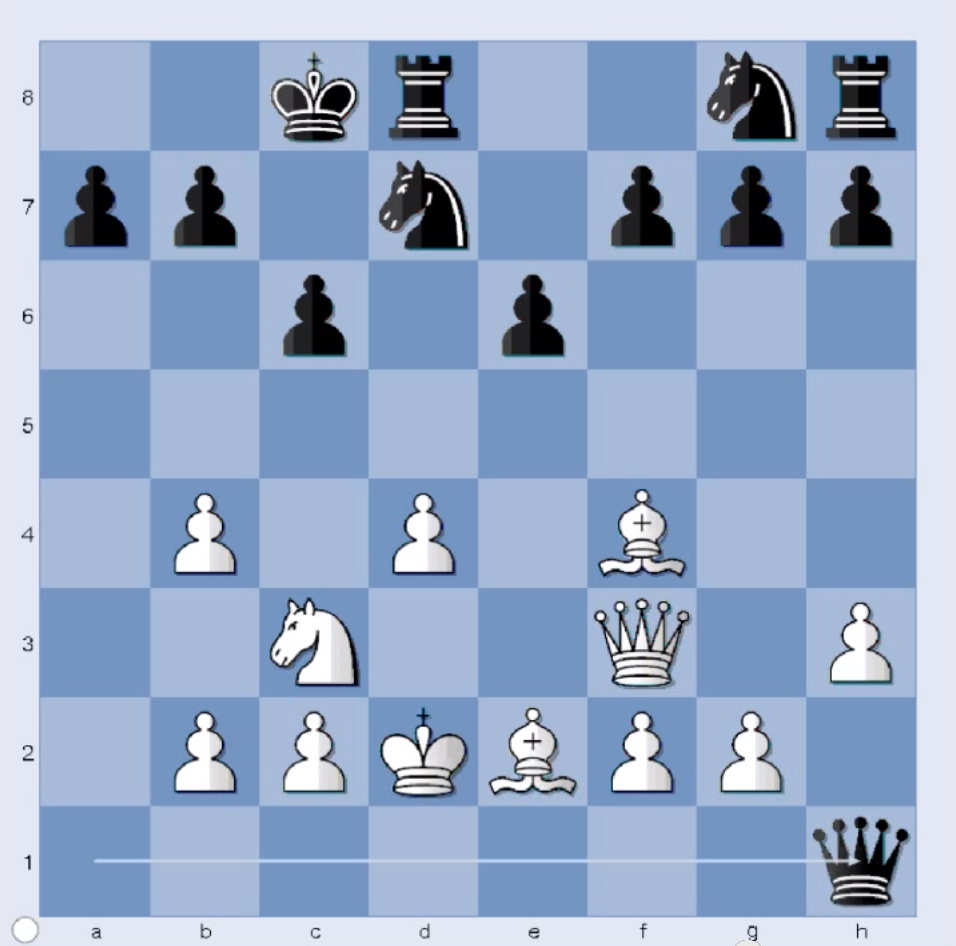
And now, the combination of sacrificing the two rooks is completed with the sacrifice of the queen!
13. Qxc6!
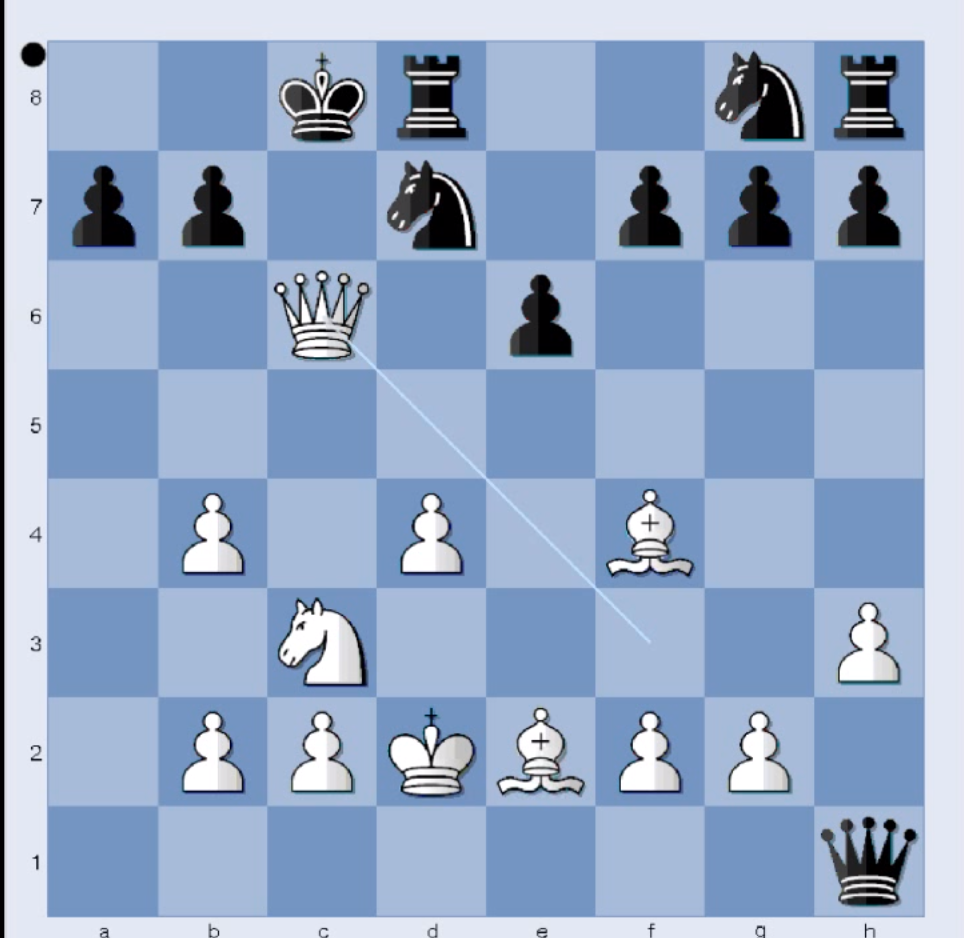
and black has to respond by taking the queen with the b pawn.
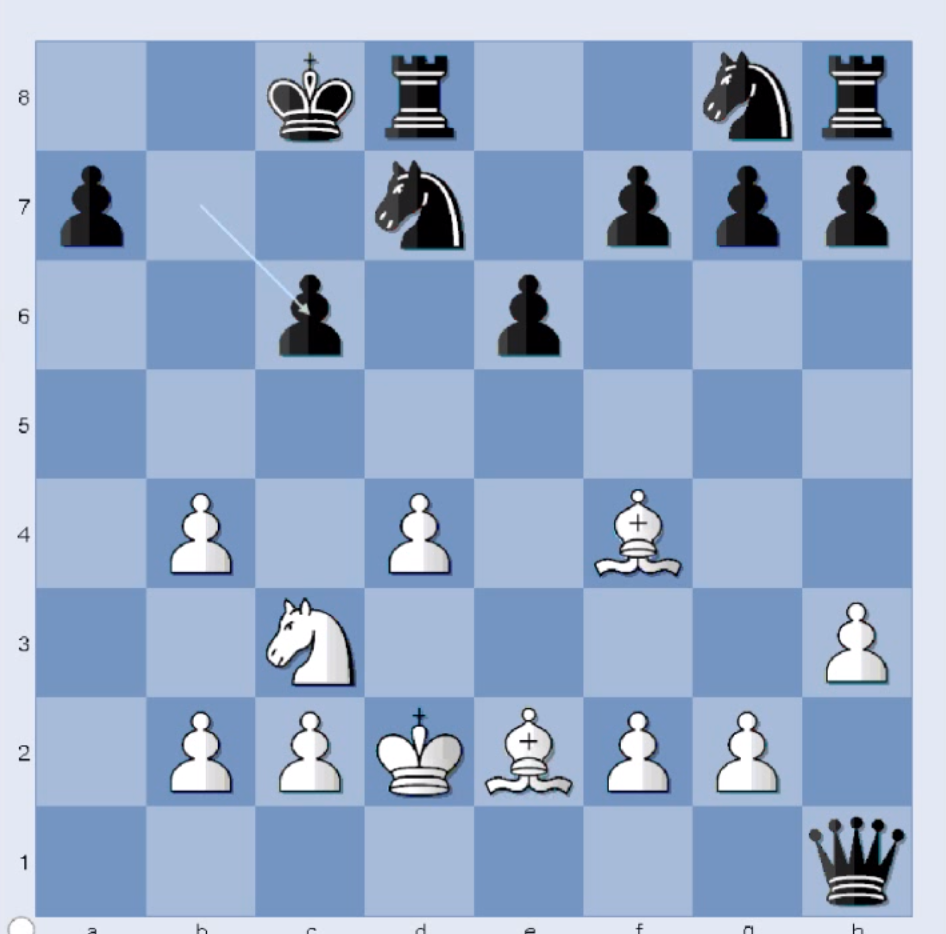
Can you see the mate?
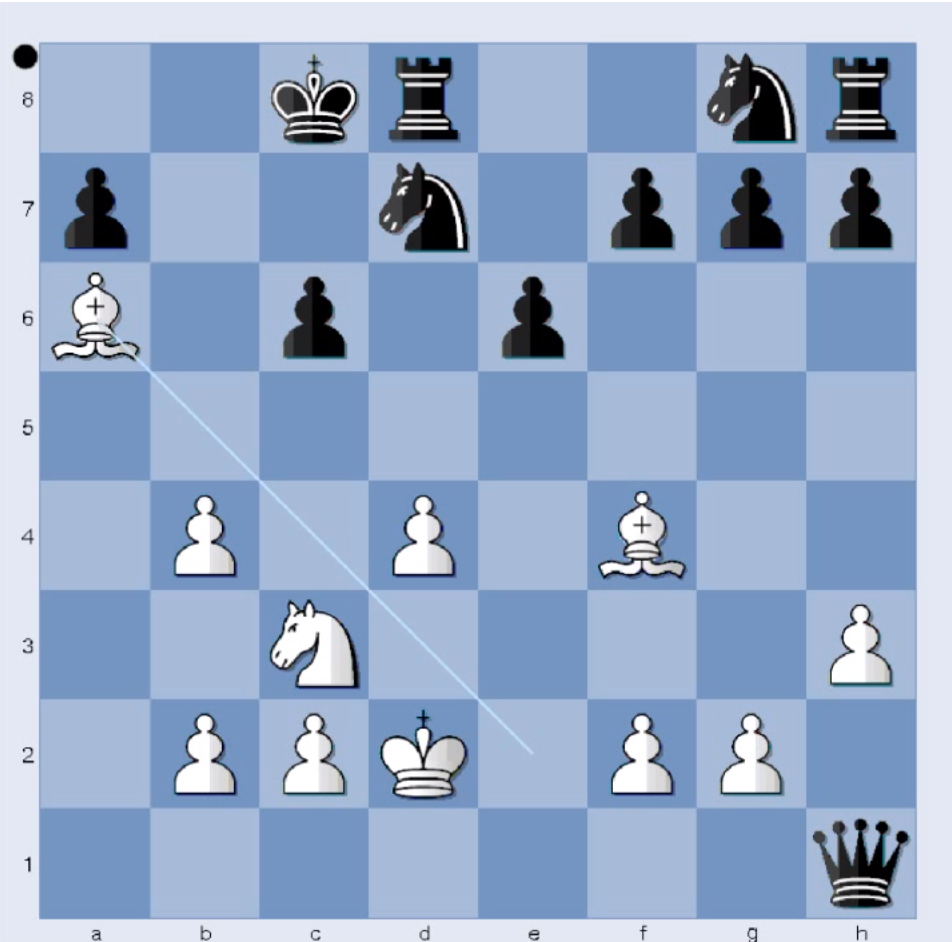
this game was one of the immortal chess games with amazing sacrifices!
And it was not just aimless but it had purpose and design!!
25 Practical Rules of Pawn Endings chess players should know
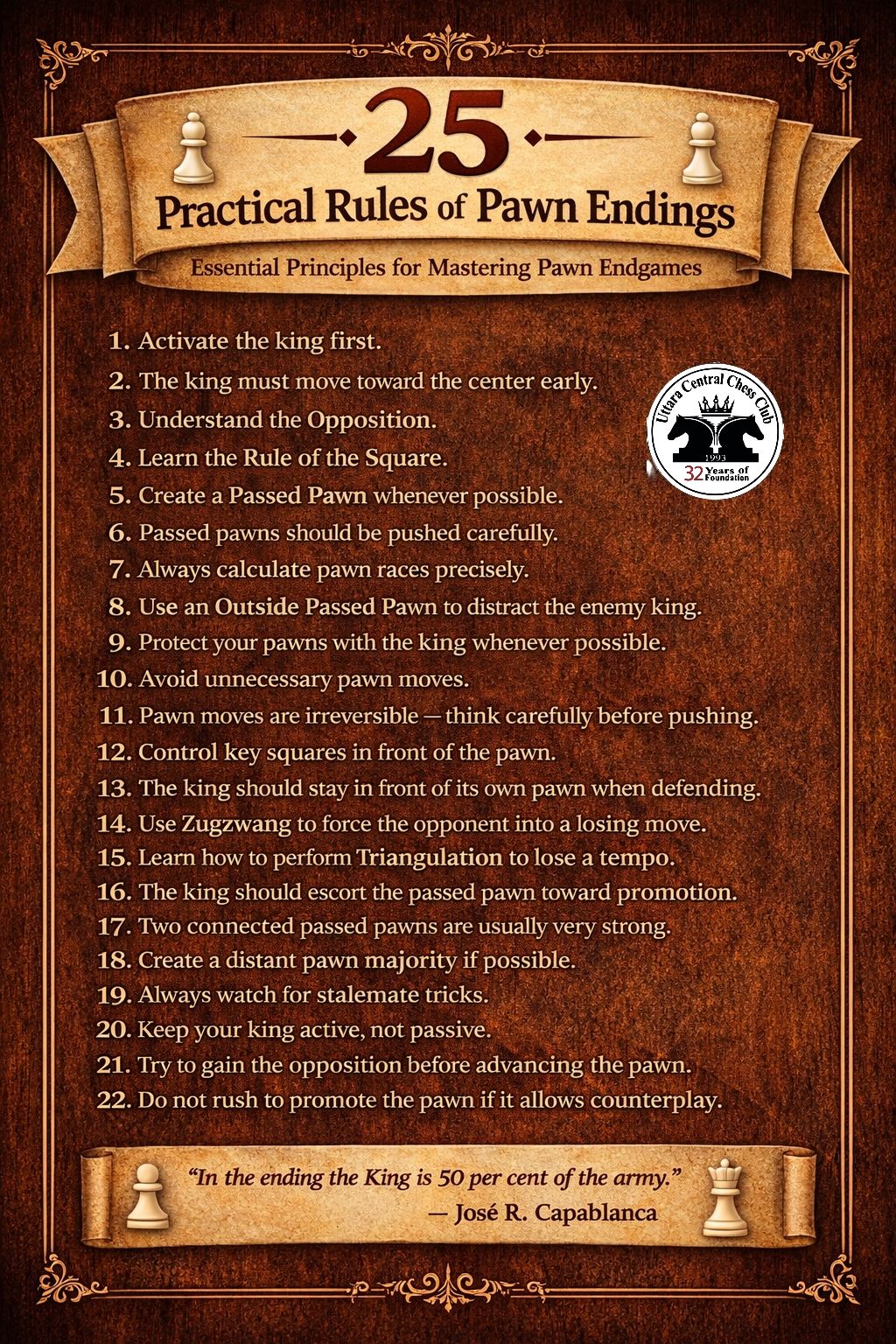
Pawn endings are extremely precise—one tempo can decide the game.
- Activate the king first.
In pawn endings, the king is the most powerful piece. - The king must move toward the center early.
- Understand the Opposition.
Opposition often decides who controls key squares. - Learn the Rule of the Square.
It helps determine whether a king can catch a passed pawn. - Create a Passed Pawn whenever possible.
- Passed pawns should be pushed carefully.
- Always calculate pawn races precisely.
- Use an Outside Passed Pawn to distract the enemy king.
- Protect your pawns with the king whenever possible.
- Avoid unnecessary pawn moves.
- Pawn moves are irreversible—think carefully before pushing.
- Control key squares in front of the pawn.
- The king should stay in front of its own pawn when defending.
- Use the Zugzwang to force the opponent into a losing move.
- Learn how to perform Triangulation to lose a tempo.
- The king should escort the passed pawn toward promotion.
- Two connected passed pawns are usually very strong.
- Create a distant pawn majority if possible.
- Always watch for stalemate tricks.
- Keep your king active, not passive.
- Try to gain the opposition before advancing the pawn.
- Do not rush to promote the pawn if it allows counterplay.
- Central pawns are generally stronger than wing pawns.
- Simplify to a pawn ending only if it is clearly winning.
- Calculate every move carefully
pawn endings leave no room for mistakes.